
Renting a Scooter in Kampot
By Jason for Discover Kampot

Renting a scooter in Kampot makes sense for some people. Most of the places you came to see are outside town, and having your own wheels gives you the freedom to stop at a salt field, take the wrong road, and find your way back without watching a clock.
But there is a simple test. If you already ride a scooter or motorbike at home, Kampot can be a good place to rent one. If you have never ridden an automatic scooter, the roads here and the long descent from Bokor are not the place to learn. Hire a tuk-tuk driver or take a tour instead. You will see the same countryside and spend more time looking at it.
If you are still planning the rest of the trip, start with how to get to Kampot and how long to stay. For most visitors, one rental day is enough for the main countryside loop.
What Scooter Rental Costs in Kampot
For a basic 110-125cc scooter, expect about $5-8 for 24 hours. Newer automatic models such as a Honda Click or Scoopy are more often $8-13. A larger 150-160cc bike such as a PCX is usually $10-15, while a dirt bike starts around $20. Semi-automatic bikes are less common in current listings. If you find an older Honda Wave or similar bike, budget roughly the same as a basic scooter and confirm the price before taking it.
If you are keeping the bike for a week, ask for the weekly price before you agree. Around $35-50 for a basic scooter is a reasonable current range. The cheapest bike is not a bargain if its tyres are bald or its brakes feel soft.
T-DA Motorbike Rental, on the south side of central Kampot near the Provincial Museum, is a long-running shop with an English-speaking owner, well looked-after bikes, and a good record on returning deposits. Older bikes go from around $5, a Honda Click or Scoopy around $8, a 150cc bike around $10. Some travellers report not being asked for a passport there at all.
Tree Travel Tours, a family-run shop by the Durian roundabout, rents both scooters and bicycles. Handy if you also want a bike for a countryside ride.
Prices and stock change, so look at the actual bike rather than reserving by model name alone. Start it cold if you can. Test both brakes, lights, indicators and horn, look at the tyre tread, and take a slow lap before paying. Photograph every scrape and cracked panel with the owner standing there.
Further reading
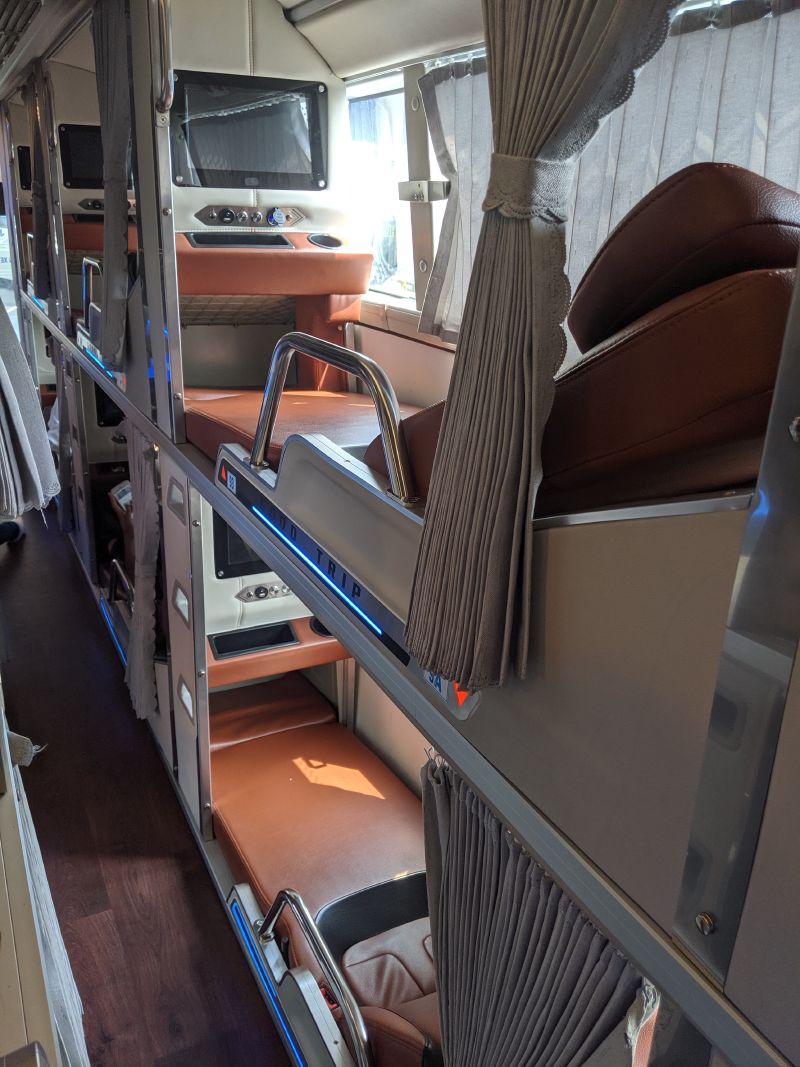
How to Get to Kampot
How to get to Kampot from Phnom Penh, Sihanoukville, Koh Rong, Kep, Siem Reap, and the Vietnam border.
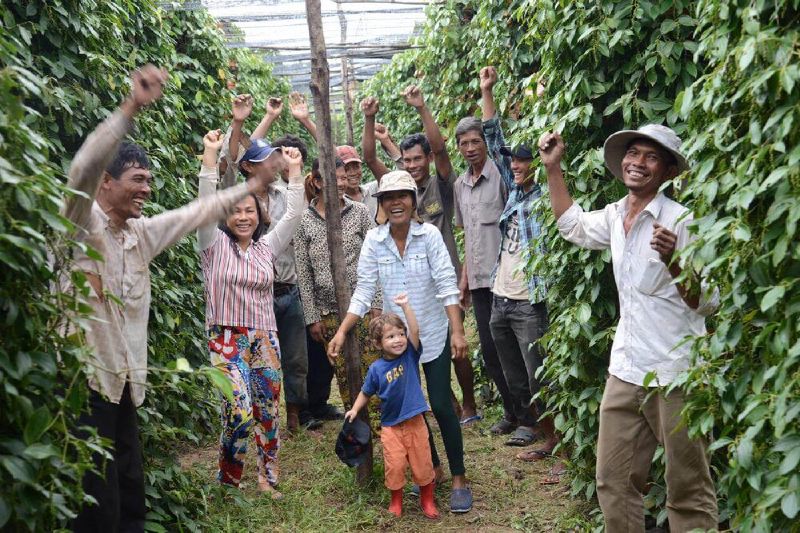
How Many Days in Kampot? A Local's Guide
Why most travellers leave wishing they stayed longer, how to calculate your days, and how to build your stay around the activities you actually want to do.
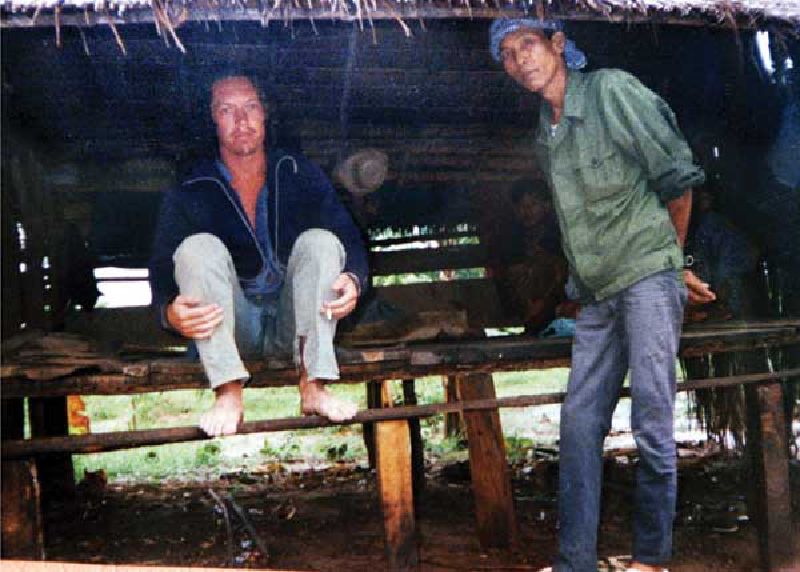
Kidnapped by the Khmer Rouge: The 1994 Kampot Train Attack
In July 1994, three backpackers took a train from Phnom Penh to Sihanoukville. It was a journey that would lead them into the heart of a Khmer Rouge stronghold in Kampot Province.
Passport, Licence and Insurance
This is the part to sort out before anyone hands you a key.
It is common to be asked to leave your original passport as security. You do not have to. UK and Australian government travel advice both suggest not leaving a passport for a scooter hire, and a cash deposit is cleaner for everyone. Ask whether the shop will take a deposit and a photo or photocopy of your passport instead. Deposits currently run from about $50 to $200, depending on the bike. Either way, get the deposit amount, the return conditions, and any existing marks on the bike written on the rental agreement.
The licence rule has an awkward but important split. Under Cambodian law, a motorcycle up to 125cc does not require a Cambodian driving licence. Above 125cc, you need the correct motorcycle entitlement. For a short visit, the safest paperwork is your home motorcycle licence plus a 1949 International Driving Permit, and you should carry both.
That 125cc exemption does not settle the insurance question. Your travel insurer may require you to hold a motorcycle licence at home even when Cambodian law does not. Some policies exclude motorbikes completely, limit the engine size, require a helmet, or exclude the passenger. The rental shop may not check your licence, but that tells you nothing about whether an accident is covered.
Assume the rental bike itself has no comprehensive or third-party cover unless the written agreement clearly says otherwise, which is the norm here. Damage to the bike, another vehicle, property, or another person can end up as your bill, so your own travel insurance is what matters.
Fuel, Helmets and Police Checkpoints
Rental bikes often arrive nearly empty. Fill up at a proper station before leaving town. Regular petrol was around 4,000-4,500 riel, roughly $1-1.10, per litre in late summer 2026. Roadside shops sell petrol from reused glass or plastic bottles throughout the countryside. It is useful in an emergency, but it costs more and the quality is less certain.
A small scooter usually holds around four to five and a half litres and can cover roughly 150-250km on a tank, depending on the bike, load and road. A full tank is plenty for the usual countryside day. Check the gauge anyway. Fuel gauges on old rental bikes can be imaginative.
Ask for a helmet for every person on the bike. Cambodian law requires helmets for the rider and passenger, and the official fine for riding without one is 60,000 riel, about $15. The helmet included with a rental may be a thin open-face model or may not fit properly. Try several, fasten the strap, and ask for a better one if it moves around on your head.
Police checkpoints do happen around Kampot. Helmet and paperwork checks are the ones most likely to involve visitors. The official motorcycle fine is 60,000 riel for not carrying the required original licence on a bike over 125cc, and 120,000 riel for having no licence or the wrong category. If you are waved in, pull over, stay polite, and show your documents. The best preparation is simply having the right helmet and paperwork, so there is nothing to sort out.
What the Roads Are Like
Central Kampot is manageable, but the roundabouts and market streets get busy. The national roads are faster, with buses, trucks and cars overtaking whenever they see space. The countryside lanes are quieter and much nicer to ride, but a good paved section can turn into dirt without warning.
The usual hazards are potholes, dust, loose sand on bends, dogs, cattle, children, tractors and vehicles entering from side roads. After rain, standing water hides holes. In the dry months, dust can hide both the road and the rider in front of you. Slow down before a rough patch, not while you are already in it, and be gentle with the front brake on sand or gravel.
Try to be back before dark. Street lighting disappears quickly outside town, and not every cart, tractor or motorbike has a useful rear light. Rain and fog make the problem worse.
Bokor Mountain is different from the flat countryside. The road from the park gate to the plateau is paved for about 30km, but it has a long series of bends and the weather can change quickly. Check both brakes before going up, take the descent slowly, and do not ride the brakes all the way down. If the plateau is in heavy rain or fog, turn it into a tuk-tuk day.
Further reading
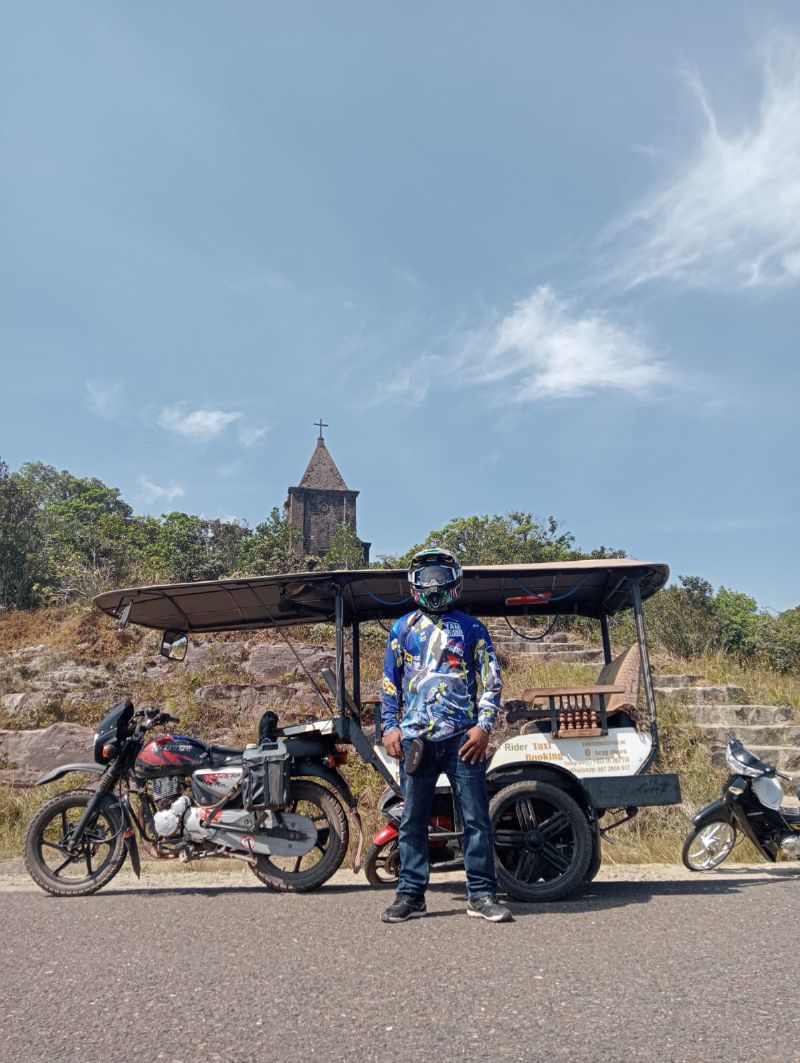
Kidnapped by the Khmer Rouge: The 1994 Kampot Train Attack
In July 1994, three backpackers took a train from Phnom Penh to Sihanoukville. It was a journey that would lead them into the heart of a Khmer Rouge stronghold in Kampot Province.
Where to Ride
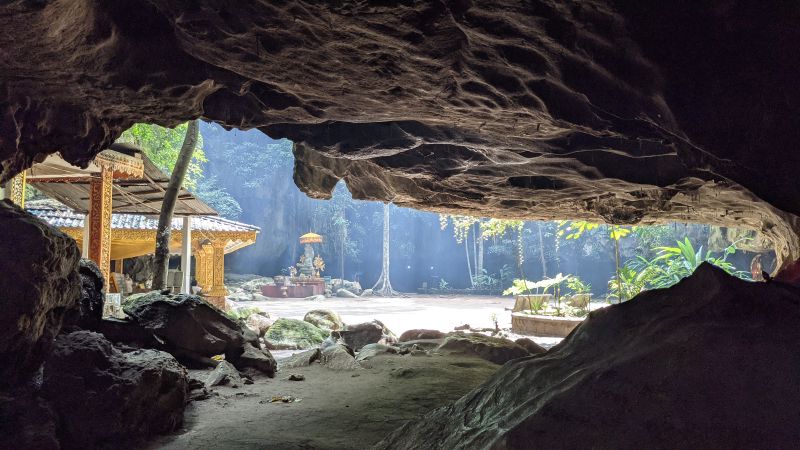
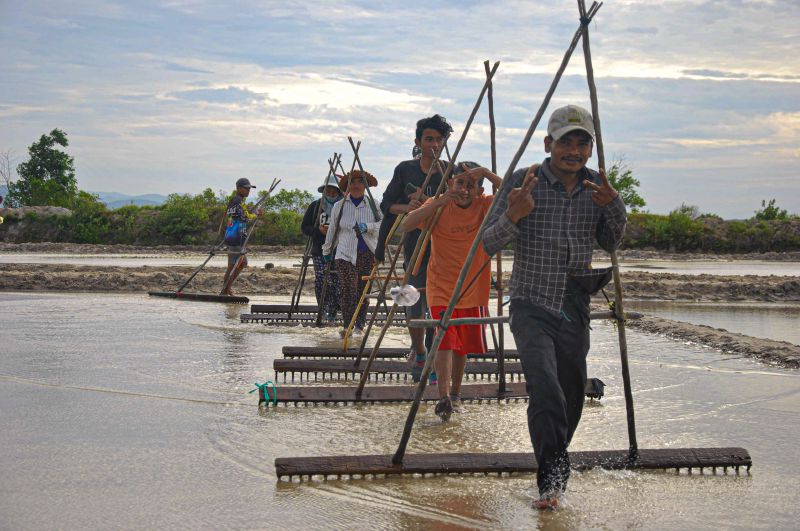
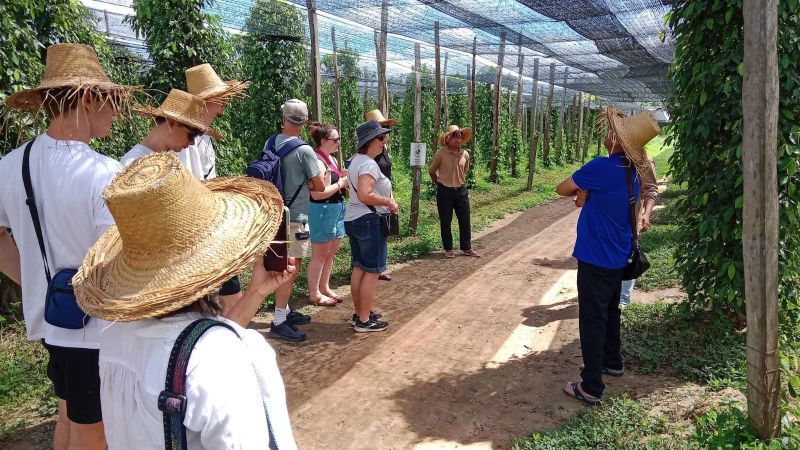
The classic loop is the salt fields, Phnom Chhnork cave temple, Secret Lake, and one Kampot pepper farm. You can ride the short version in four or five hours, or make a full day of it by going slowly, stopping for lunch at a farm, and taking your time at each place. Go to the salt fields early if you want to see people working, then choose one cave and one farm rather than trying to collect them all. Download the route before leaving town. It makes a wrong turn on the smaller roads much easier to undo.
If you want to go further afield, Kep is a comfortable half-day ride of its own, for the crab market, the seafront, and the national park. Kampong Trach, with its cave and rural back roads, is a full day rather than something to add to the loop. Bokor Mountain is also its own trip, not an add-on.
If you like quiet roads but not engines, the countryside bicycle tour is the better alternative. If you would rather have a driver and local knowledge, use the Experiences directory or see the wider list of places to visit around Kampot.
Further reading
How Many Days in Kampot? A Local's Guide
Why most travellers leave wishing they stayed longer, how to calculate your days, and how to build your stay around the activities you actually want to do.
Kidnapped by the Khmer Rouge: The 1994 Kampot Train Attack
In July 1994, three backpackers took a train from Phnom Penh to Sihanoukville. It was a journey that would lead them into the heart of a Khmer Rouge stronghold in Kampot Province.